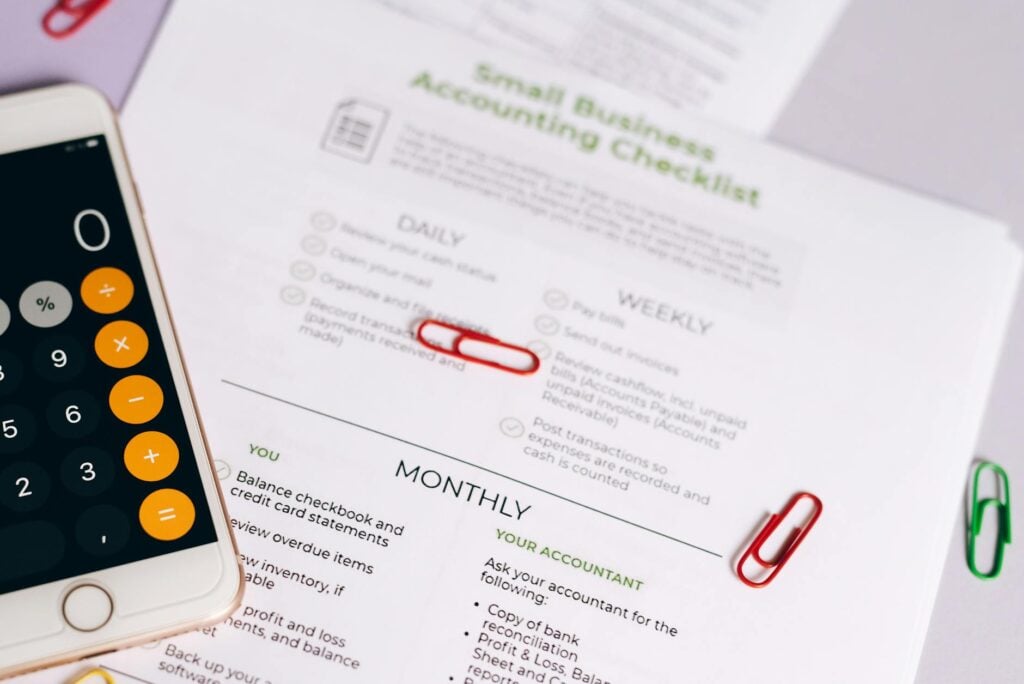
Expert perspectives on business financing often start with a simple truth: the biggest challenge isn’t profit on paper, it’s turning invoices into usable cash when you actually need it. Factoring turns those slow-paying receivables into immediate working capital, giving you a practical, flexible tool to fund day-to-day operations and future growth without piling on traditional debt.
Expert perspectives on factoring
From an expert views on financing standpoint, factoring is best understood as a working capital tool, not a last-resort loan. It allows you to sell your outstanding invoices to a factoring company for an upfront advance, then receive the remainder (minus a fee) when your customer pays. This structure gives you faster access to cash than many traditional options, which is why factoring appears so often in modern business financing insights and cash flow strategies.
Why experts like factoring in today’s environment
- It directly targets the biggest pressure point: slow pay from customers and long payment terms.
- It converts a balance-sheet asset (accounts receivable) into immediate liquidity without adding a classic term loan to your debt stack.
- It scales as you grow, when your invoicing increases, your available funding typically increases alongside it, which many expert perspectives on business funding see as ideal for growing companies.
Key business financing insights about factoring
Owners evaluating factoring alongside other financing options often focus on three core questions: speed, flexibility, and impact on risk. Factoring tends to outperform traditional loans on speed, often providing approvals and funding in as little as 24–48 hours once you’re set up.
Practical insights from financing expertise:
- Speed vs. loans: Traditional loans can take weeks and require extensive documentation, while factoring decisions lean more on your customers’ credit strength and the quality of your invoices.
- Debt impact: Because factoring is structured as the sale of invoices rather than a loan, it is widely treated as off–traditional-debt financing, which can preserve borrowing capacity for other needs.
- Cash flow timing: Factoring helps align cash inflows with real-world expenses like payroll, inventory, and fuel or materials, which is why many expert analysis of financing options highlight it for industries with long payment cycles.
FAQ: Expert perspectives on business funding and factoring
Below is an FAQ-style section reflecting expert analysis of financing options, with a focus on factoring.
1. How do experts define factoring in the broader financing landscape?
Experts view factoring as a form of accounts receivable financing that transforms unpaid invoices into immediate working capital by selling them to a factoring company at a discount. Unlike bank lines based on financial covenants, factoring is more closely tied to your sales activity and your customers’ payment behavior, positioning it as a practical, operations-focused funding tool.
2. When do expert perspectives say factoring makes the most sense?
Factoring is especially useful when your business is growing, your customers pay reliably but slowly, and traditional credit has limits or is too slow to access. Industries with frequent net-30, net-60, or net-90 terms, such as transportation, staffing, manufacturing, and construction trades, are frequent candidates because the gap between sending an invoice and getting paid can strain cash flow.
3. What are the main advantages of factoring, from an expert analysis standpoint?
Experts typically highlight:
- Immediate cash flow: Turn outstanding invoices into cash in days instead of waiting weeks or months.
- Scalability: Funding availability grows as your invoiced revenue grows, supporting expansion without constantly renegotiating loan limits.
- Credit flexibility: Approval depends more on your customers’ credit quality than on a perfect business credit profile, which can be advantageous for newer businesses or those rebuilding.
- Operational focus: Reliable cash flow makes it easier to cover payroll, purchase inventory, and take on larger orders without overextending your bank lines.
4. What are the tradeoffs or risks experts flag with factoring?
While factoring can be a powerful tool, financing expertise also points out considerations:
- Cost: Factoring fees are typically higher than prime-based bank lines, so it’s important to compare the cost of factoring against the benefit of acting on opportunities sooner (such as taking on more orders or avoiding late fees with suppliers).
- Customer interaction: In many arrangements, the factor interacts directly with your customers for payment, so you want a partner that handles communication professionally to protect relationships.
- Fit: For businesses with very short payment cycles or extremely thin margins, some expert views on financing suggest that other tools, like lines of credit or equipment loans, may be more cost-effective.
5. How does factoring compare to other financing options?
| Financing option | How it works | Strengths (expert views) | Potential drawbacks (expert views) | Best fit scenarios |
| Factoring | Sell invoices for an advance, factor collects from your customers. | Fast funding, scales with sales, less reliant on your credit, improves day-to-day cash flow. | Higher cost than bank lines, third-party customer contact, may not suit ultra-tight margins. | Growing businesses with slow-paying B2B customers and meaningful receivables. |
| Working capital loans | Lump-sum or line from a lender, repaid with interest over time. | Clear repayment schedule, can be cheaper for strong borrowers, useful for broader needs. | Adds debt, underwriting can be slower and more credit-intensive. | Businesses with solid credit and predictable cash flow needing general-purpose capital. |
| Equipment financing | Loan or lease secured by specific equipment. | Asset-backed (often easier to qualify), tailored to big-ticket purchases, preserves cash. | Restricted to equipment, not everyday cash flow, asset at risk if you default. | Companies needing heavy machinery, vehicles, or major equipment upgrades. |
| Traditional bank line of credit | Revolving credit up to a limit, secured and covenant-based. | Generally lower cost, flexible draw-and-repay use. | Harder to qualify, requires strong financial history and ongoing compliance. | Mature businesses with strong financials and stable cash flow. |
This kind of side-by-side expert analysis of financing options helps clarify when factoring should be central in your funding mix, and when it should complement other tools.
6. Does factoring affect my business credit or balance sheet?
Because factoring is structured as a sale of receivables instead of a loan, it is generally treated differently from traditional debt on your books and is often discussed separately in expert perspectives on business financing. Your customers’ payment behavior remains important, but you’re not adding a classic loan that must appear as a new liability in the same way as a term note or line of credit. For many small and midsized businesses, this is a key point in business financing insights because it preserves borrowing capacity for future needs like equipment purchases or real estate.
7. How do experts recommend choosing a factoring partner?
Experienced advisors usually recommend looking beyond the headline rate and asking questions about structure, transparency, and support. You want clear terms, no hidden fees, and a team that understands your industry and communicates professionally with your customers. Local or specialized providers that focus on your region and sectors, such as Midwest Business Funding with its emphasis on Midwest businesses and tailored factoring strategies, can offer more relevant guidance and more flexible structures than one-size-fits-all national providers.
8. How does factoring support long-term growth, not just short-term fixes?
From an expert analysis of financing options, factoring becomes most powerful when it’s part of a bigger strategy: using predictable cash flow to negotiate better supplier terms, accept larger contracts, and invest confidently in people and equipment. Consistent access to working capital can reduce the need for emergency, high-cost borrowing and give you breathing room to plan instead of react. Over time, that stability supports stronger vendor relationships, more reliable delivery for your customers, and a healthier balance sheet, key themes in modern perspectives on business funding and financial resilience.
How Midwest Business Funding can help
If you’re looking for expert perspectives and hands-on financing expertise to decide whether factoring fits your business, Midwest Business Funding is built for exactly that conversation. The team focuses on straightforward, relationship-based factoring solutions, no hidden fees, no long-term volume commitments, designed to support real-world cash flow needs for growing businesses across the Midwest.
You can call Midwest Business Funding at 317-606-3595 or fill out the contact form on the website to walk through your invoices, payment terms, and growth plans and get tailored business financing insights specific to your situation.